Discovering El Salvador: Volcano Hikes, Waterfalls and Pupusas on the Rutas de las Flores
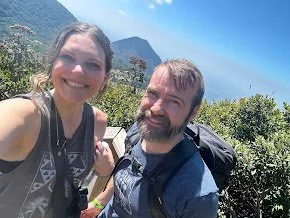
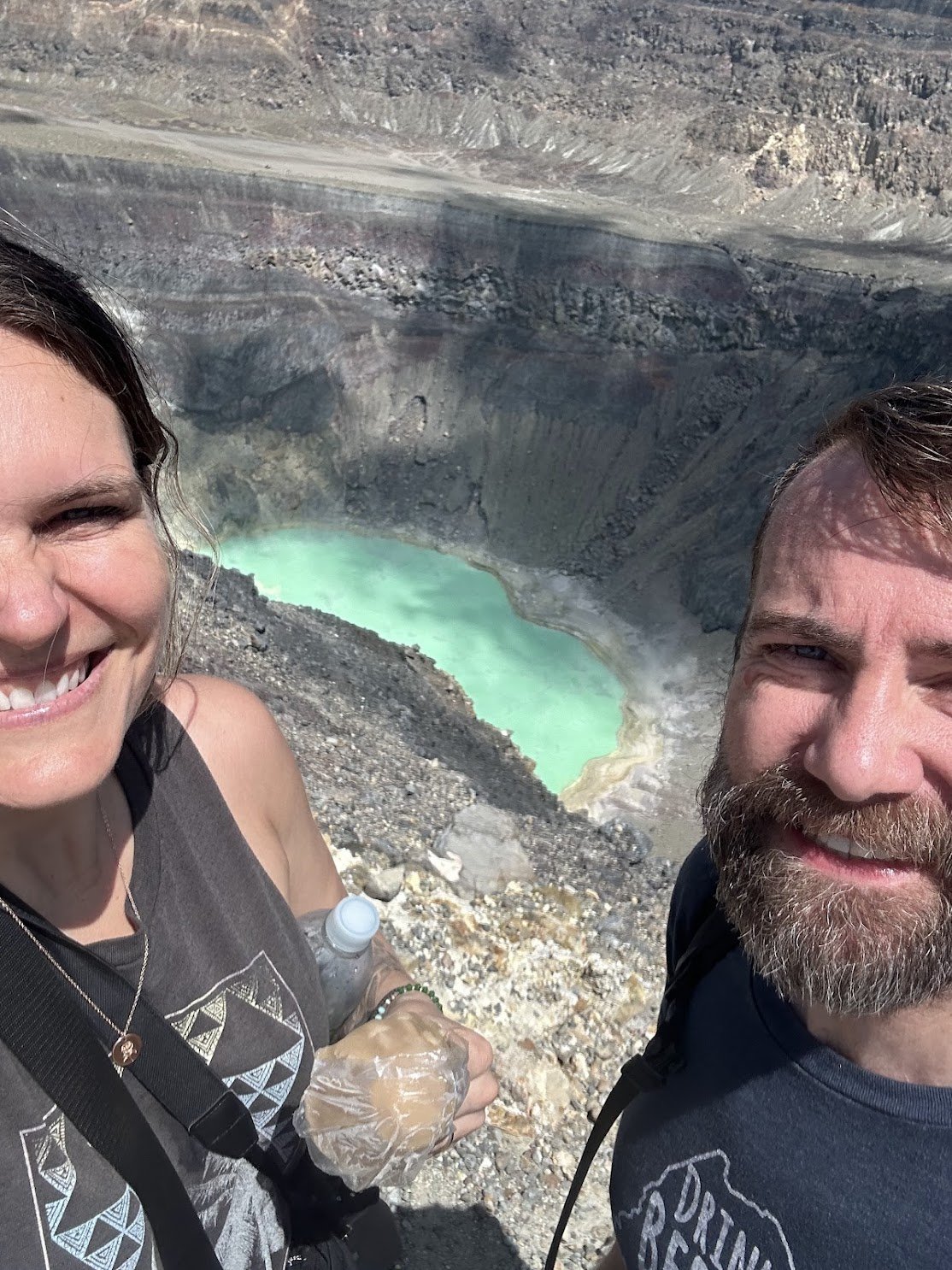
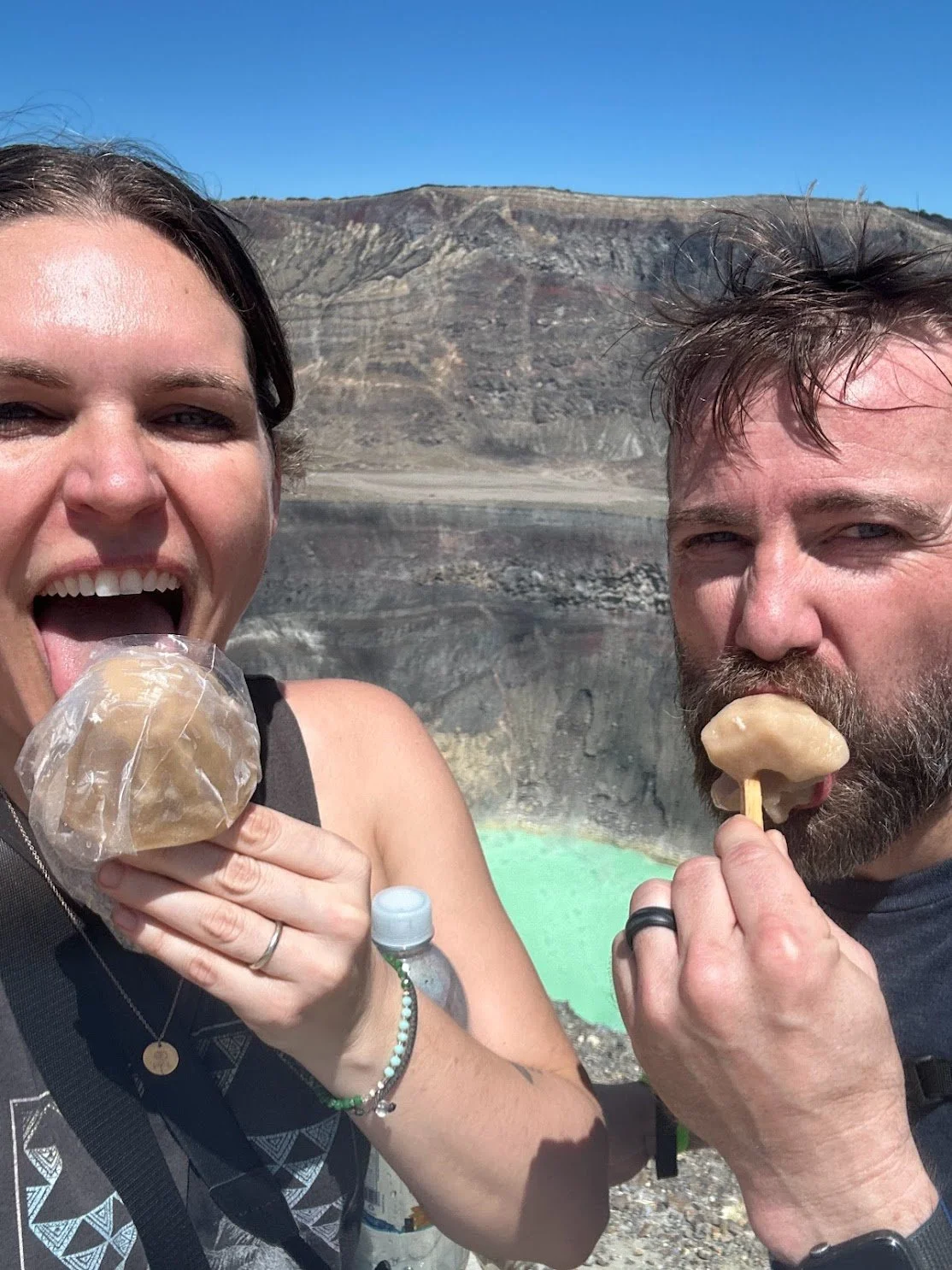
We landed in San Salvador, grabbed a rental car, and headed straight for adventure — first stop, Santa Ana Volcano. Arrive before 10:30 a.m. if you want enough daylight for the round-trip hike; plan on 3–4 hours on the trail. Bring sunscreen, plenty of water, and sturdy shoes — services are sparse on the way up. At the summit we rewarded ourselves with the sweetest homemade popsicles from a friendly vendor, then soaked in sweeping crater views before descending.
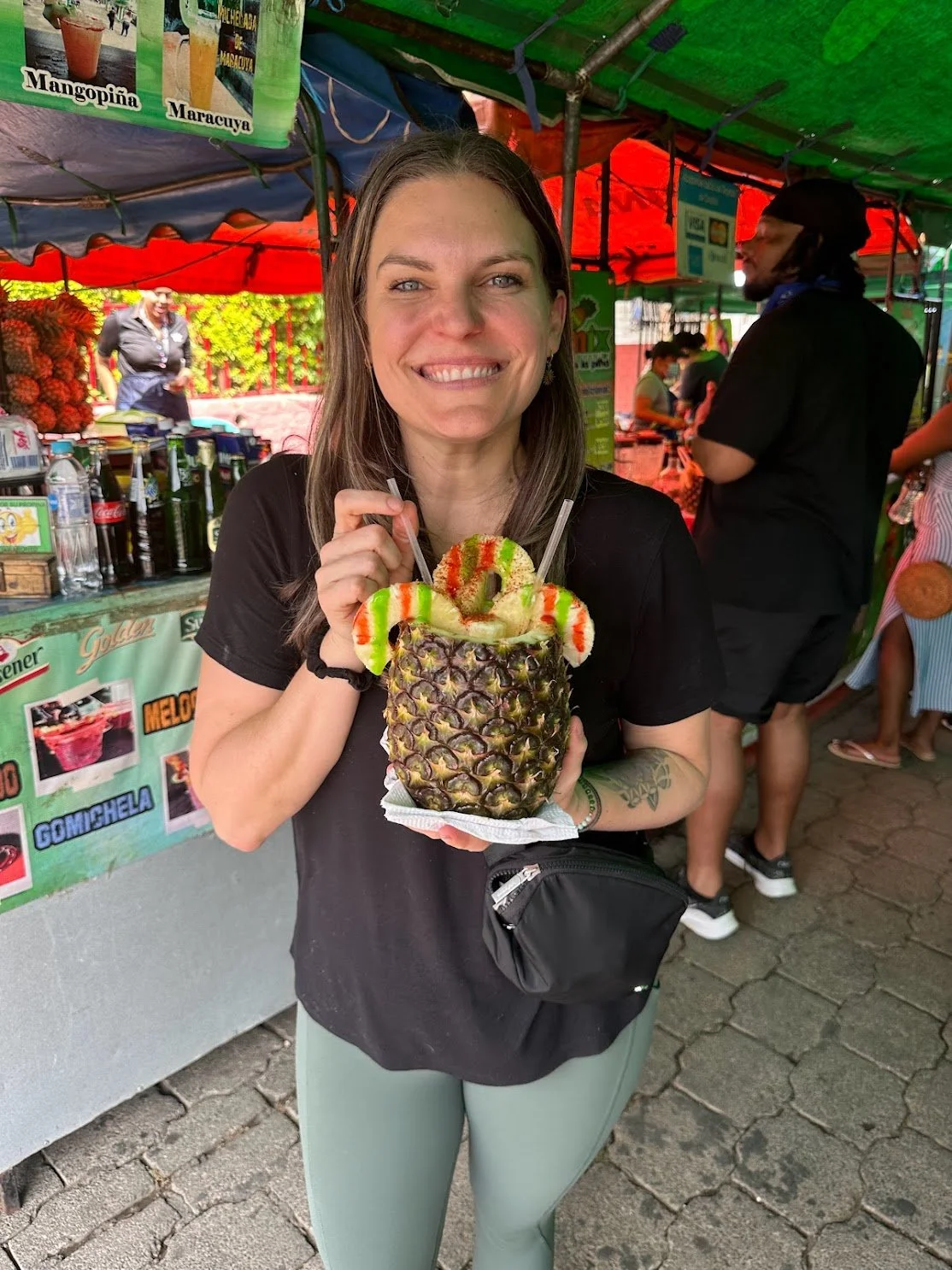
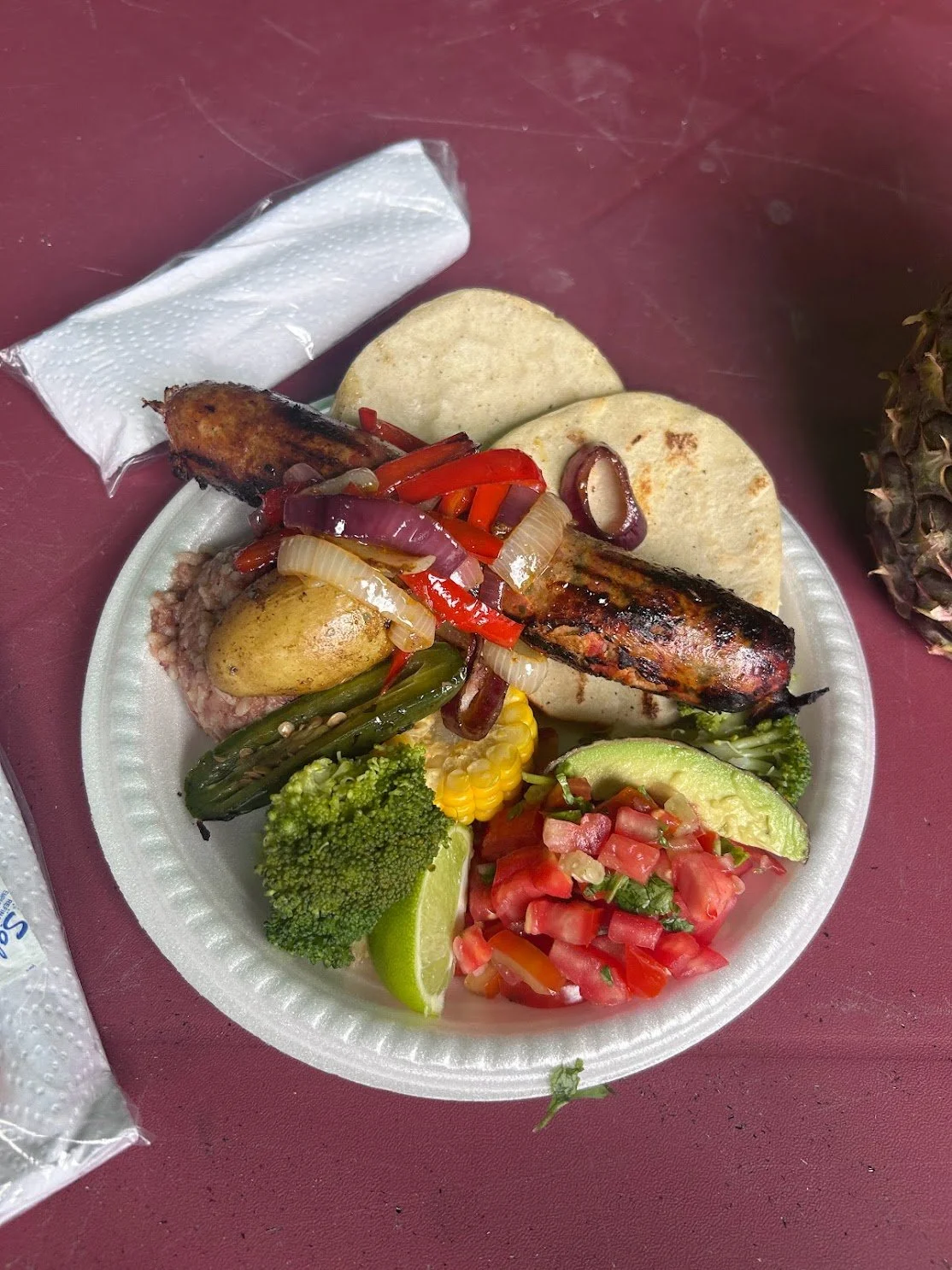
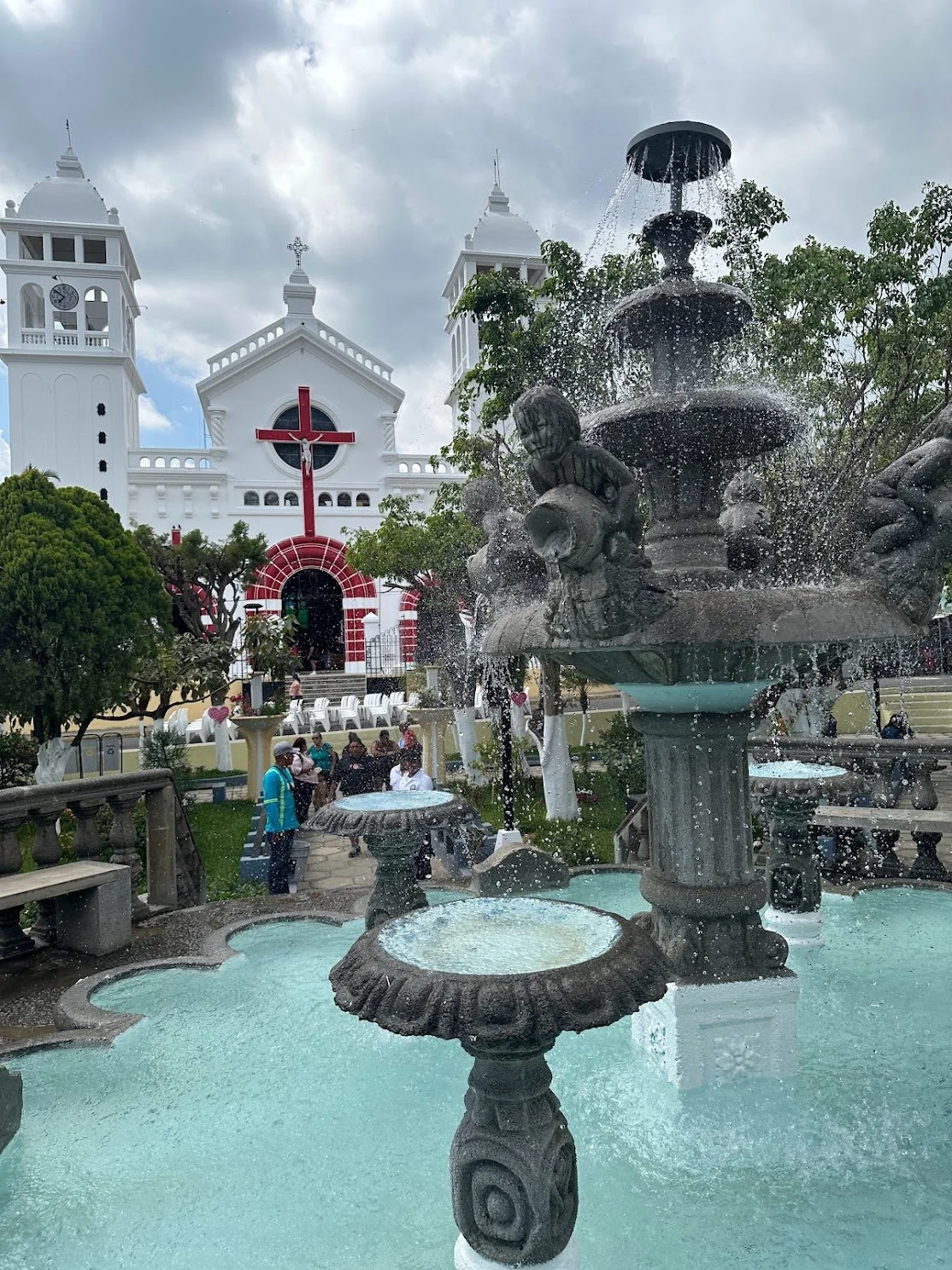
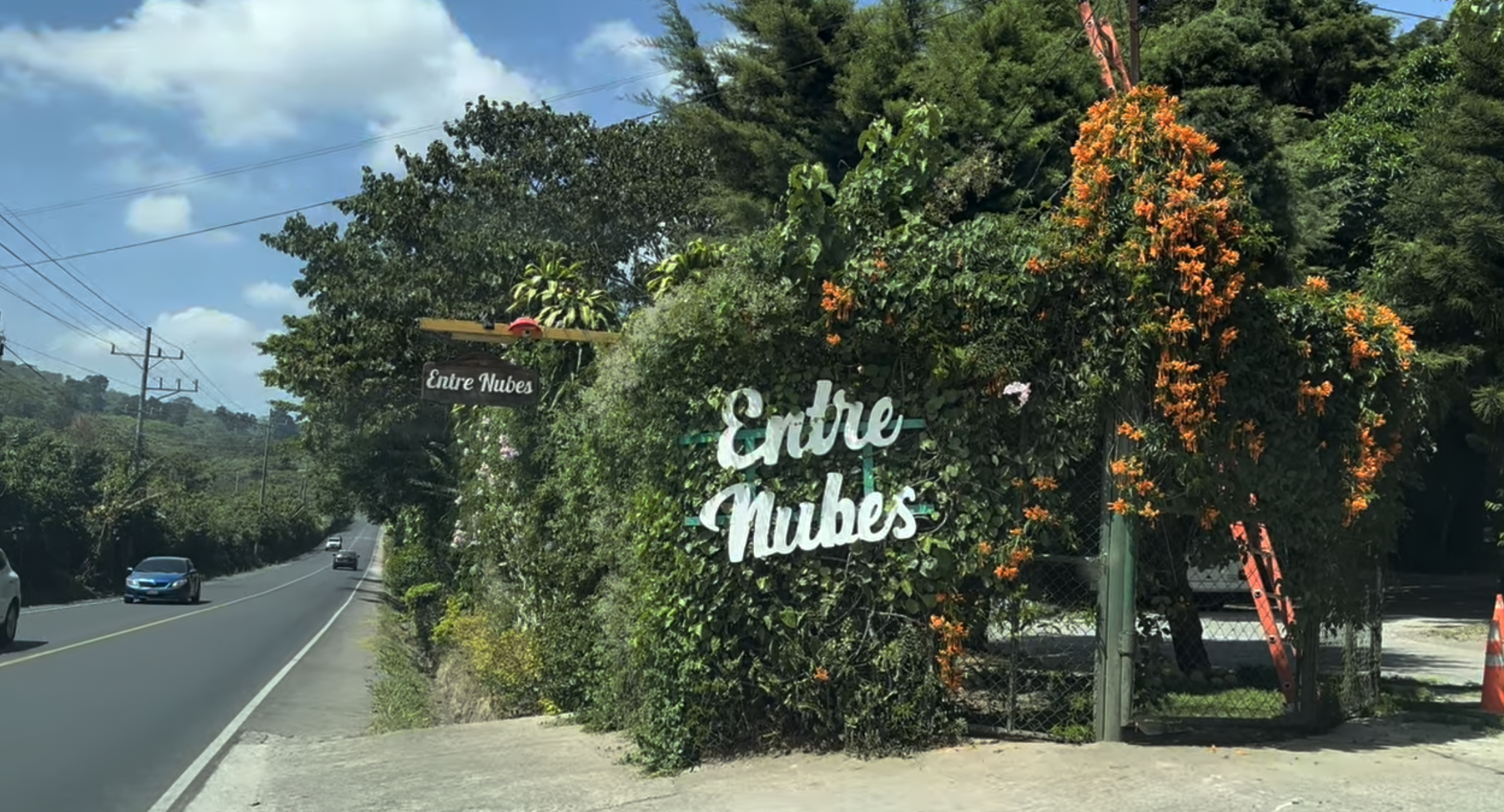
Coffee, Charming Towns and a Weekend Food Festival Descending from the volcano, we drove the Rutas de las Flores area and paused at Café Entre Nubes for exceptional coffee and a breath of shade. Our next stop was Juayúa — time your visit for a weekend if you can. The town hosts a lively food festival every Saturday and Sunday, where you can sample regional specialties like Chorilongo (a local sausage) and plenty of pupusas.
We stayed at Hotel Juayúa, a quaint, budget-friendly spot with postcard-perfect views of distant volcanoes. The hotel’s relaxed vibe made it easy to savor the town and festival stalls.
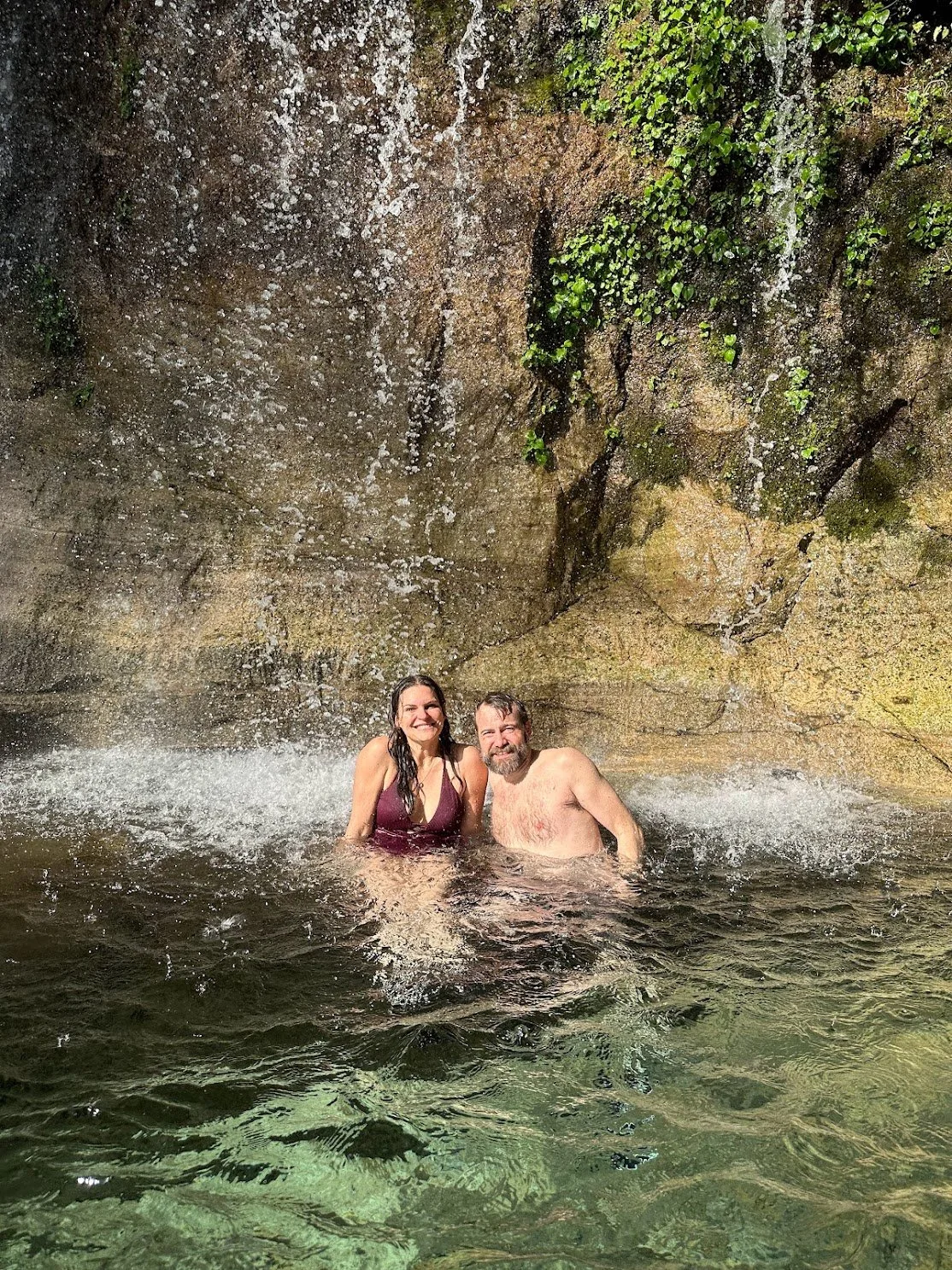
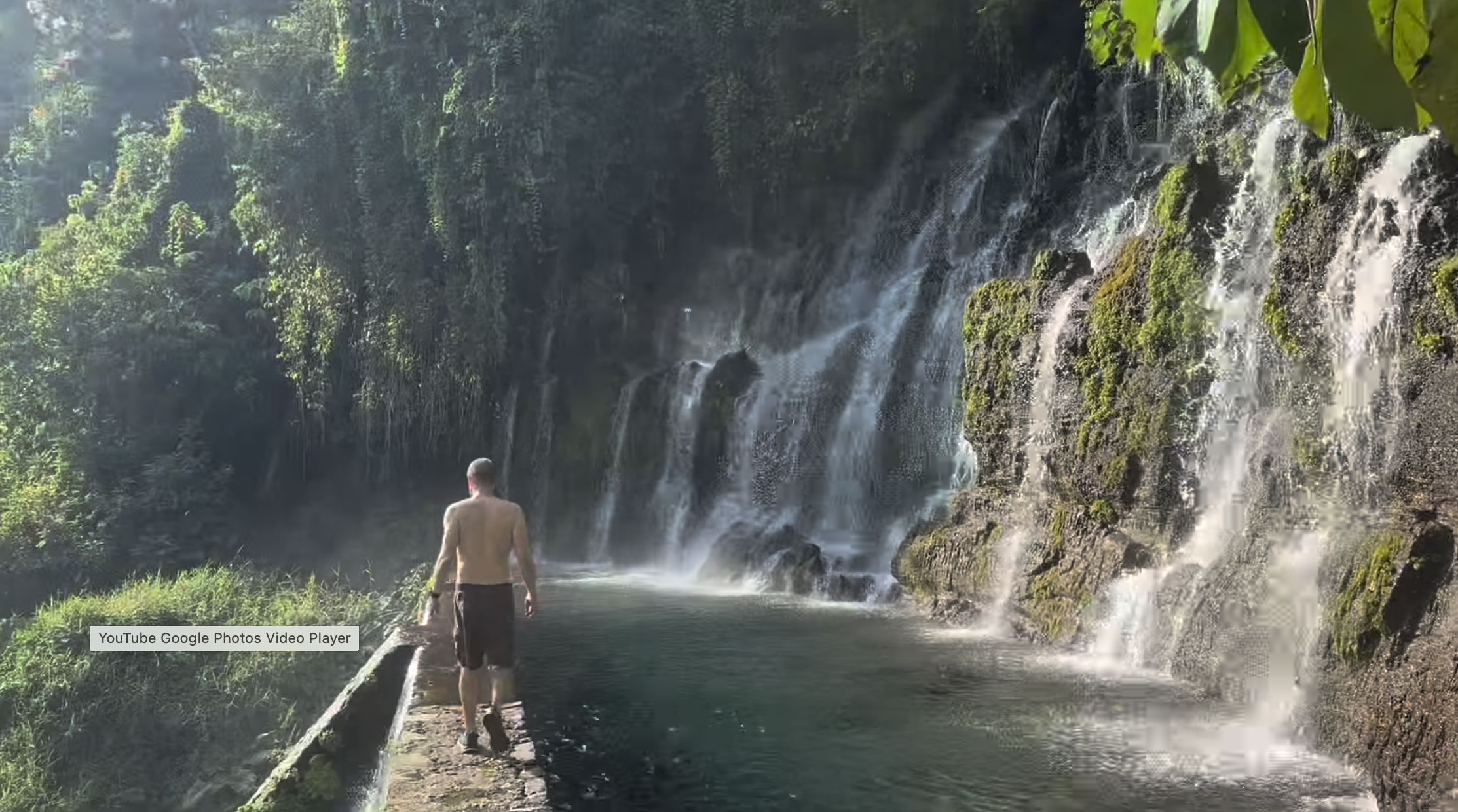
Seven Waterfalls and Night Markets One afternoon we lost power at the hotel, which turned out to be a lucky excuse to explore the nearby 7 Waterfalls (Las Cascadas de Los 7 Nacimientos). The trail is a workout — steep sections and slippery rocks — but the cascades and swimming basins are spectacular and well worth the effort. Bring a towel, water shoes, and a waterproof bag for your phone.
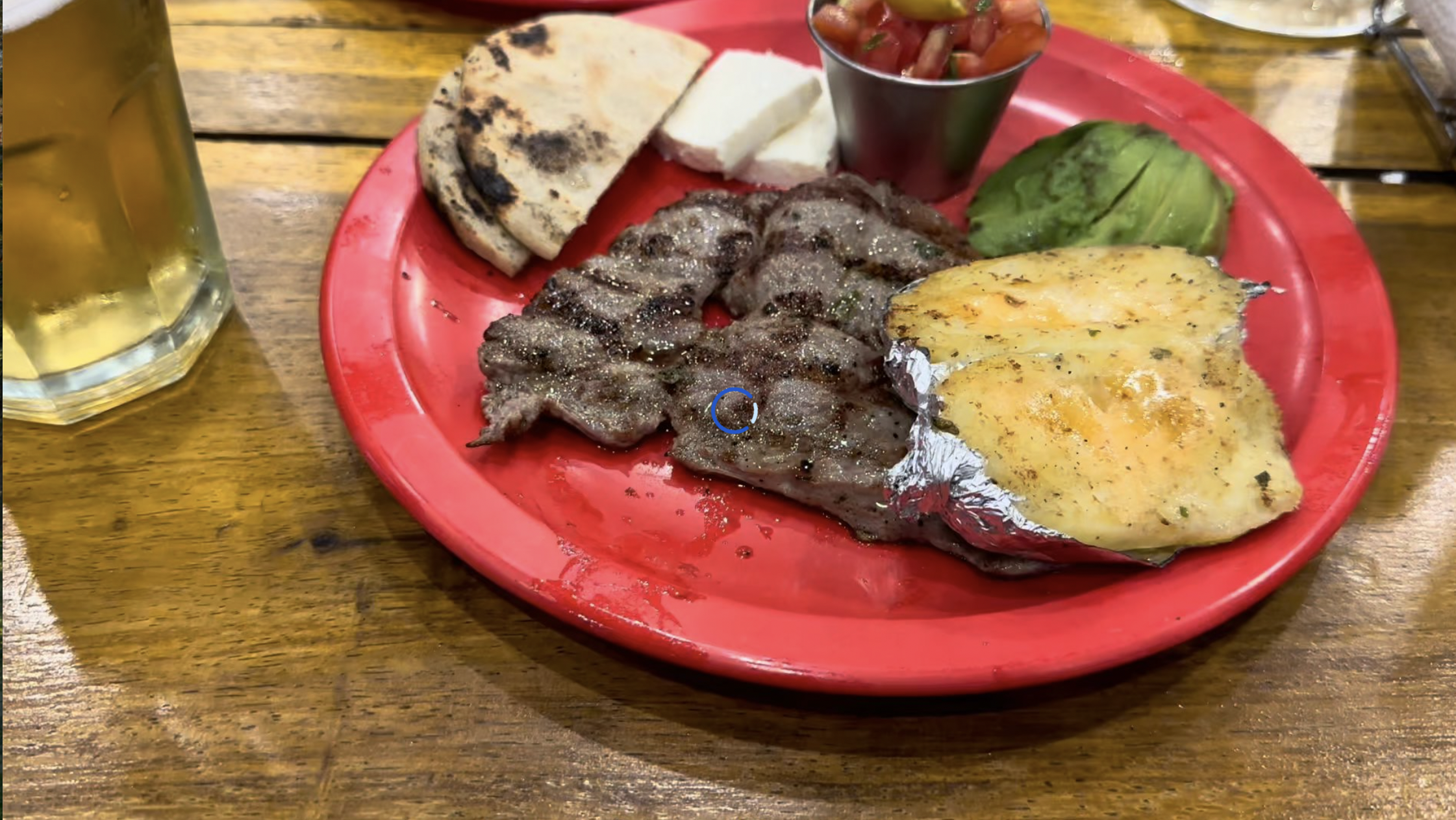
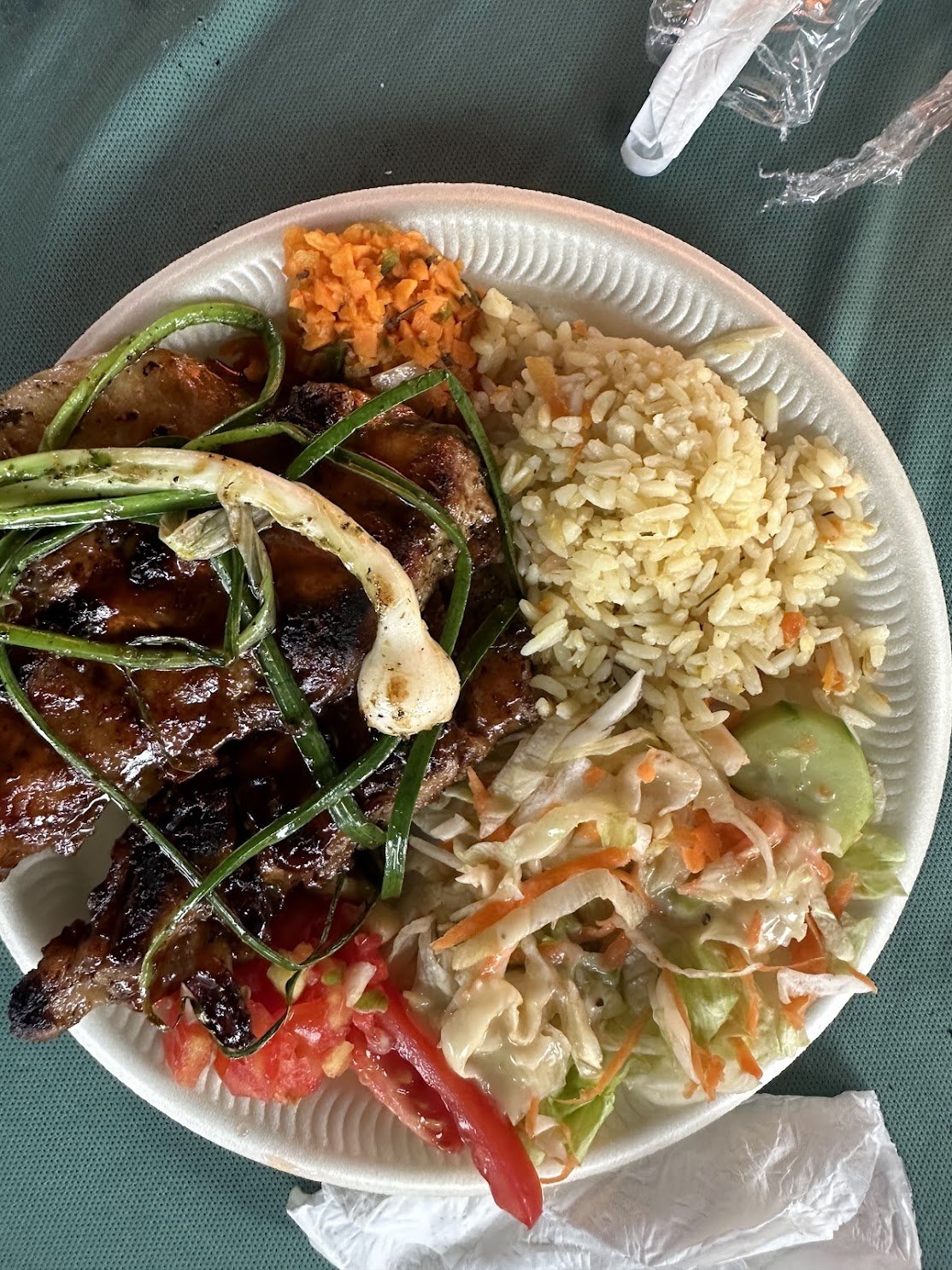
That evening we drove to Nahuizalco’s night market for pupusas and carne asada under bustling lights and local rhythms — a delicious, colorful finish to the day.
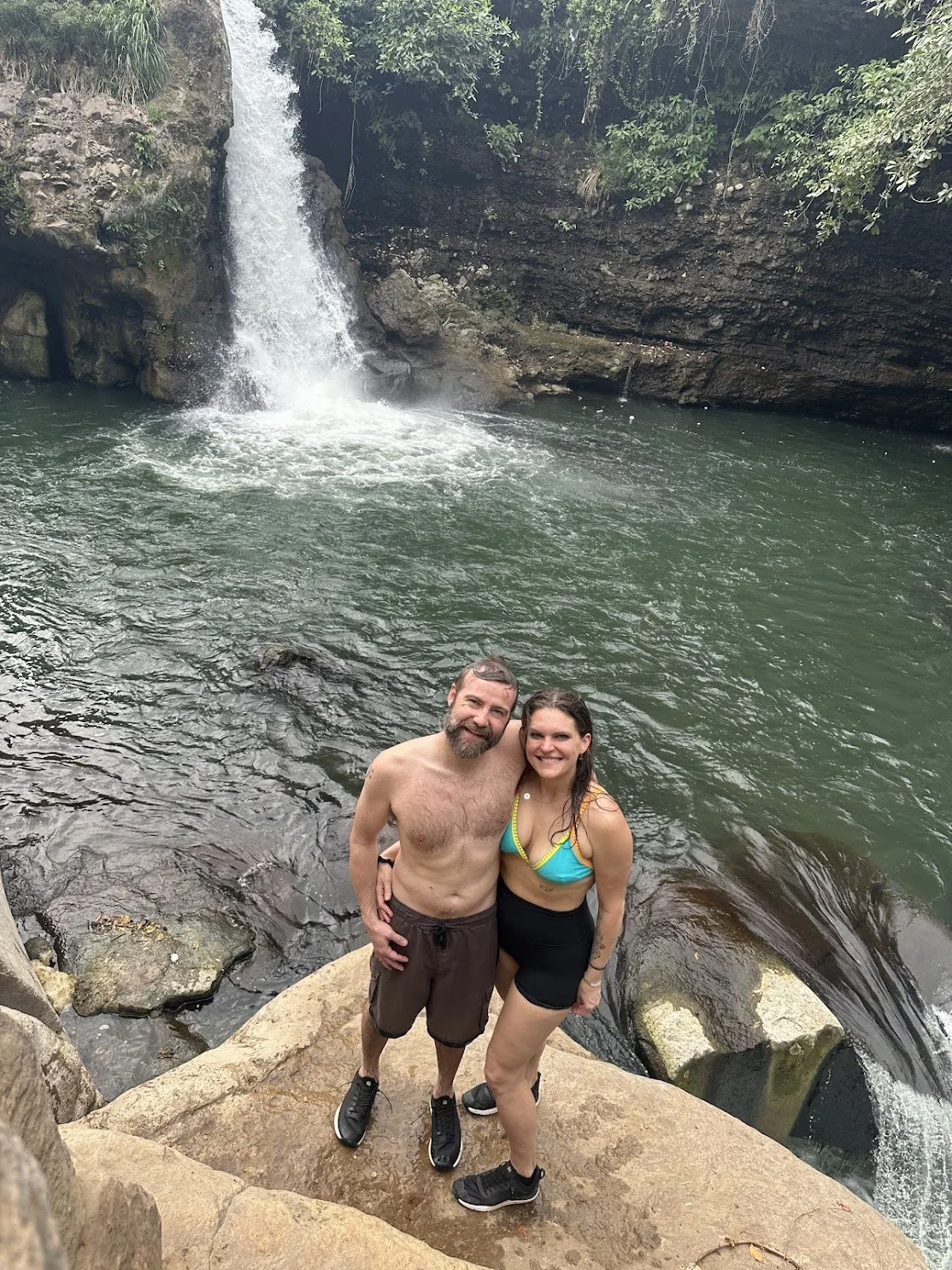
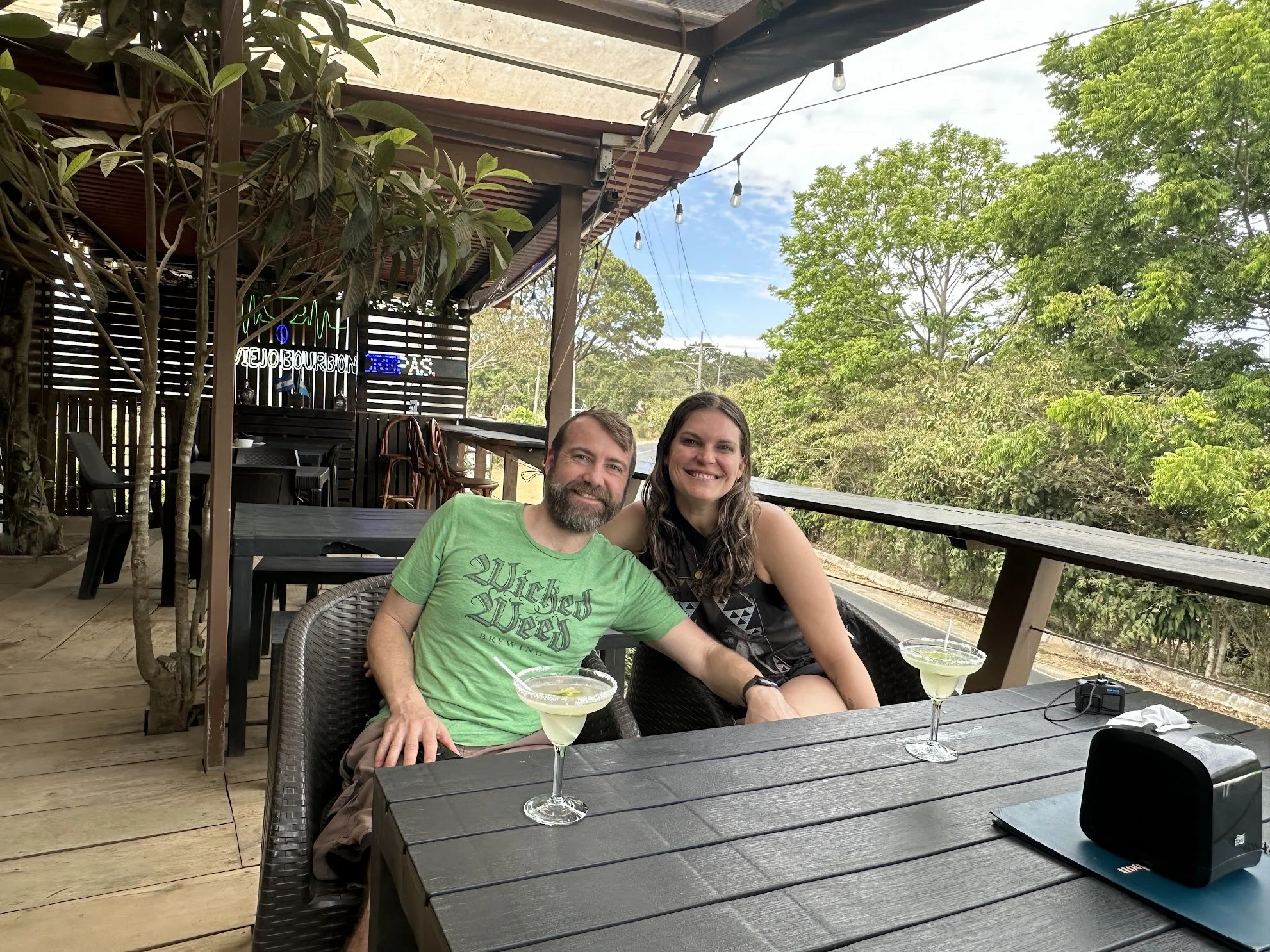
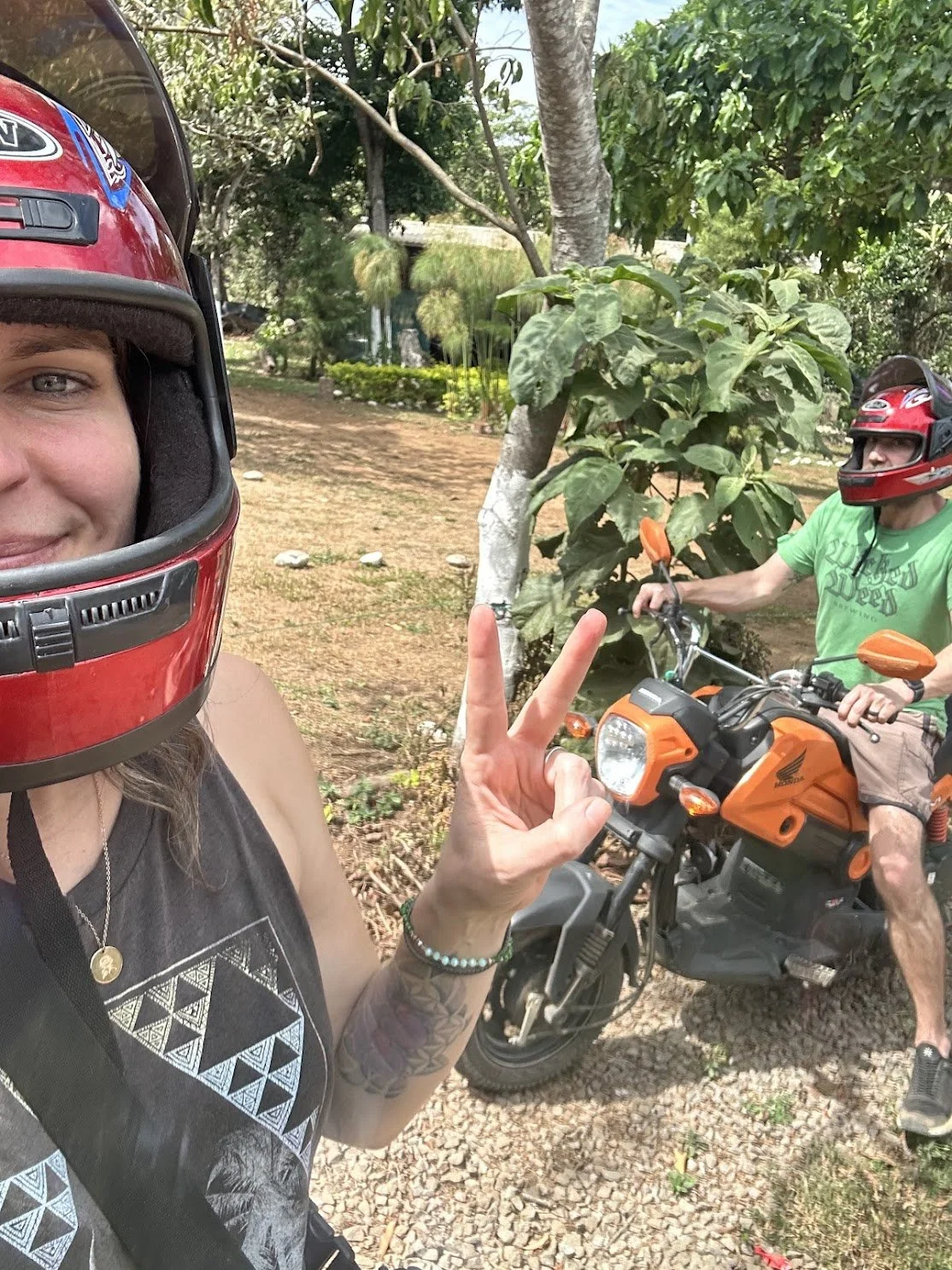
Hot Waterfalls and a Bubble Tent in the Jungle. On day two we headed about an hour from Juayúa to Salto de Malacatipan, a stunning area of warm waterfalls and natural pools. You’ll need a car or scooter to get there. The site was a highlight of the trip: plenty of jumps, gorgeous scenery, and refreshingly clear water. On the return, we stopped at a coffee plantation to sip a brew and enjoy a light snack — coffee culture here is everywhere, and it’s exceptional.
That evening we returned to the Juayúa food festival for a late lunch/early dinner, then checked into a bubble tent set in the jungle. We spent the night with wine, the sounds of the forest, and an unmatched quiet — a perfect contrast to our active days.
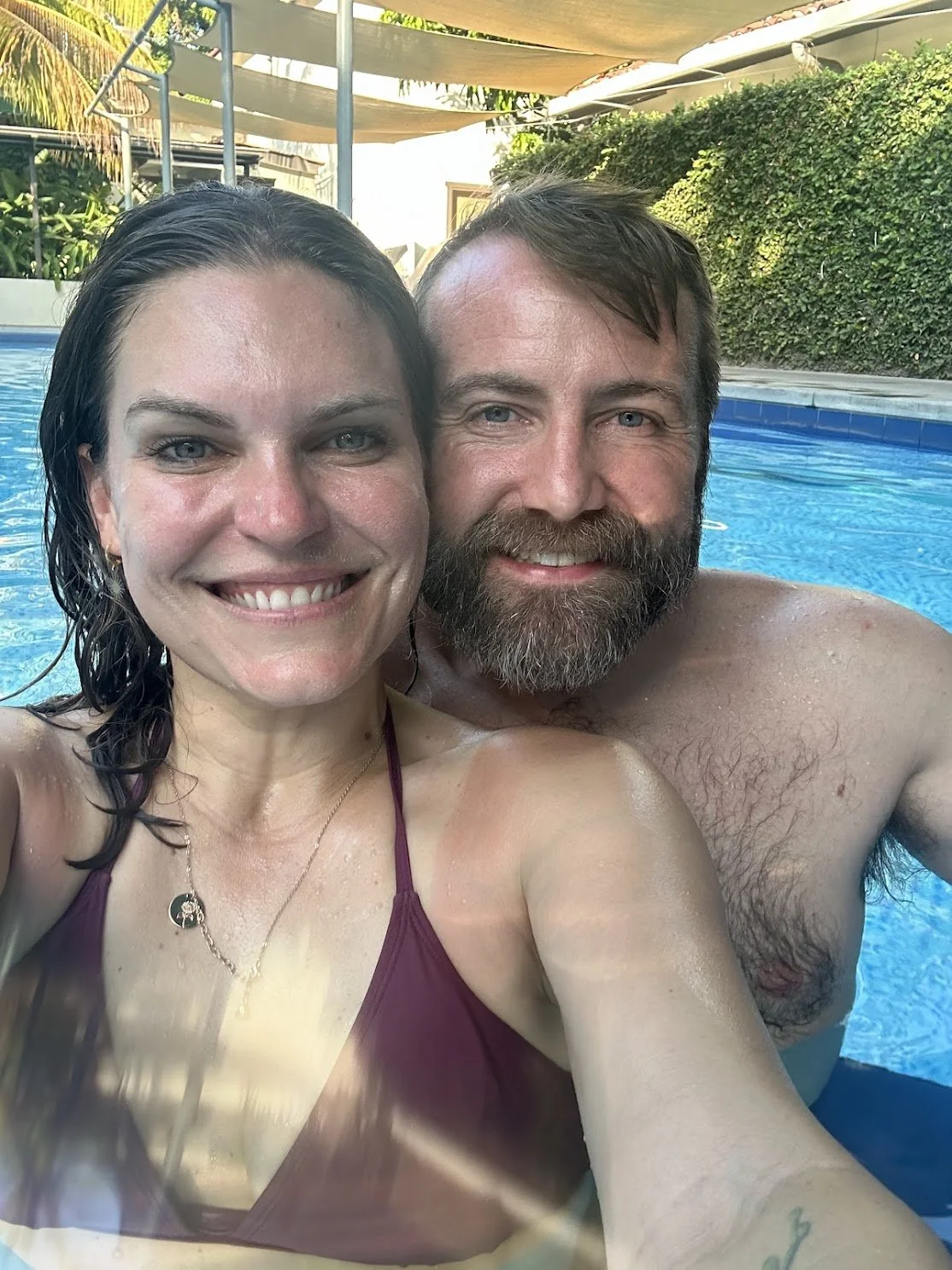
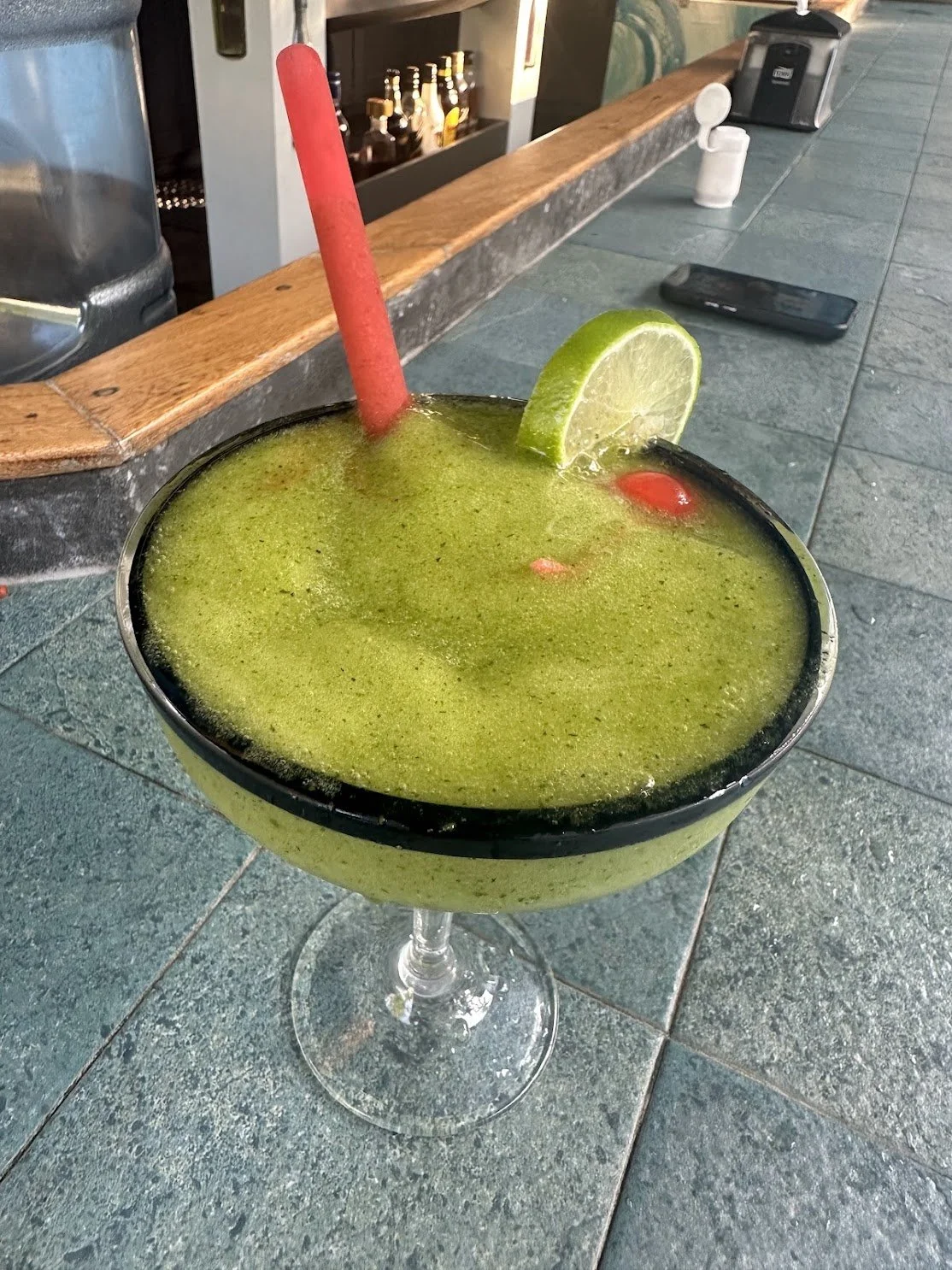
El Tunco: Surf, Sunsets and Brews Next morning we drove to the surf town of El Tunco. Stay at Bocas Olas if you want a lively swim-up bar, fresh juices, and tasty cocktails. After a pool break, we walked down to Cadejo Brewing right on the beach — an ideal spot for sunset beers and Salvadoran bar food while surfers carved the waves.
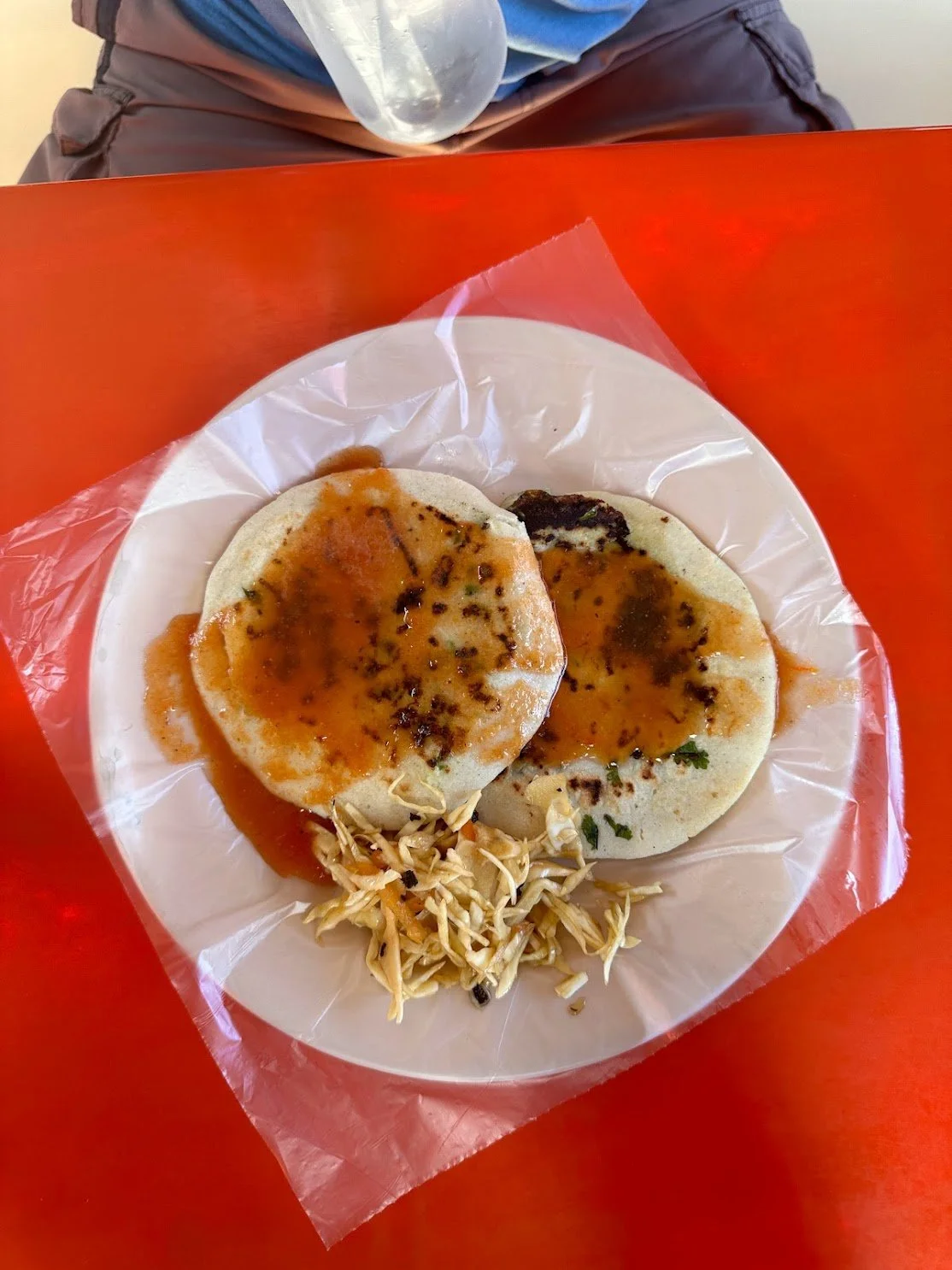
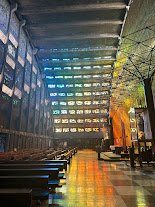
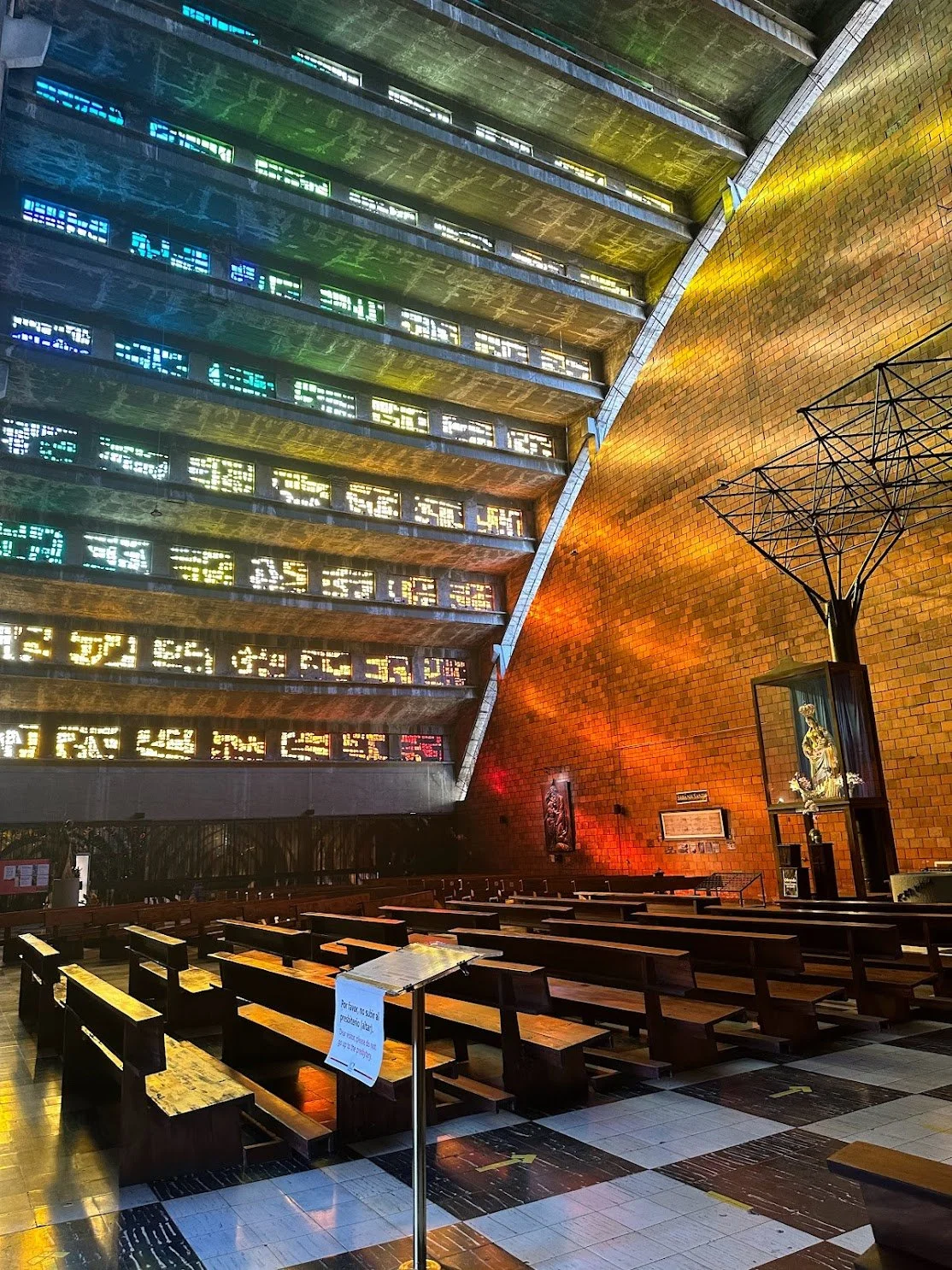
Pupusa Pilgrimage and a Final Cultural Stop Before returning to San Salvador, we visited Olocuilta — famous as a birthplace of the pupusa. We happily hopped from pupusería to pupusería, sampling different fillings and styles. Back in San Salvador we visited the spectacular Iglesia El Rosario — its soaring arched ceilings and rainbow stained glass are unforgettable and a must-see for any visitor.
We capped the trip with one last beer at Squirrel Eye Brewing in San Salvador, then dropped the car and headed to the airport. In short: El Salvador surprised us at every turn. The people were warm, the food was incredible, and the landscapes — volcanoes, waterfalls, beaches, coffee farms — stitched together into an itinerary that felt both adventurous and deeply restorative.
Essential tips
Drive times: roads are often winding and slower than maps suggest. Allow extra time between stops.
Timing: do the Santa Ana hike early — before 10:30 a.m. start is ideal.
Cash: bring small bills for market stalls, vendors, and trail purchases.
Gear: sunscreen, refillable water bottle, water shoes for waterfalls, lightweight rain jacket for sudden showers.
Safety: stick to well-marked trails, travel during daylight, and ask locals for the best routes.